A solo traveller's journey of discovery
By Fancyland, , 6 min read
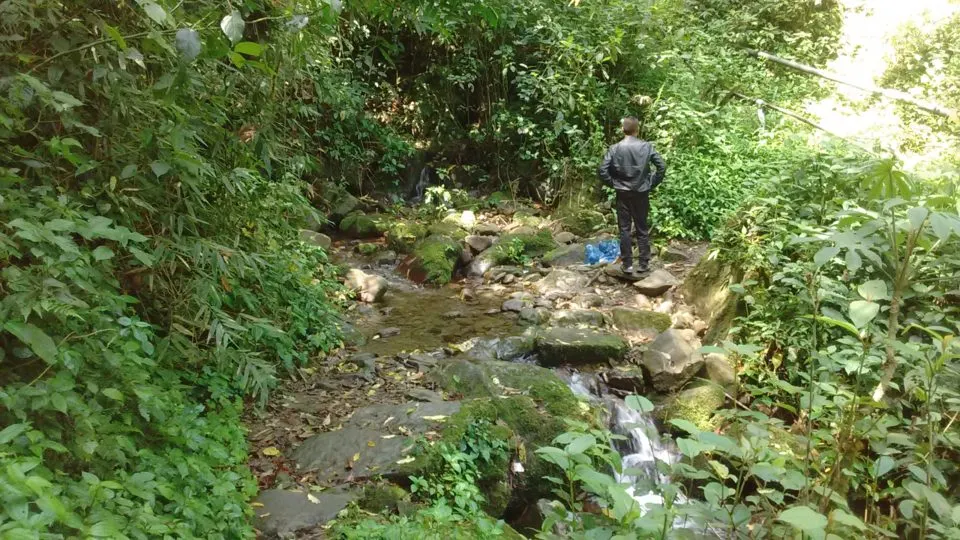
In the summer of 2016, I set off on a solo trip to the Northeast region of India. This was something I had been planning for a very long time because of a curiosity that I wanted to satisfy. Right from schooldays when information about the Northeast was an absolute minimum in our textbooks, to the overzealous coverage of only mainstream India news by the media, there seemed to be a total lack of awareness in me about the ‘Seven sisters’, as the region is also known as. I wanted to see the India that we so often claim as our own, but with little regard for the diversity it nurtures.
I set off from Delhi on 30th April to Guwahati by flight. I landed early morning and was scheduled to board an afternoon train to Dimapur in Nagaland. As I headed towards the station, what struck me was the sight of abundant greenery in suburban Guwahati. Patches of land around homes and commercial establishments was covered with lush green growth of plants. This was a welcome sight for urban dwellers like me, and I grew a little more excited about the anticipation of more greenery over the next few days. I set off from Guwahati that afternoon and arrived at Dimapur at night. After spending the night at a government guest house next to the station, I set off for Kohima the next morning in a state transport bus. The journey took about four hours and I was in Kohima by lunchtime. I sat down for lunch at a neat little café and when I asked the staff for budget stay options in the city, I was directed to a place that was extremely affordable and offered a great view of Kohima city. I thought this was a great beginning to my trip and I was indeed right!
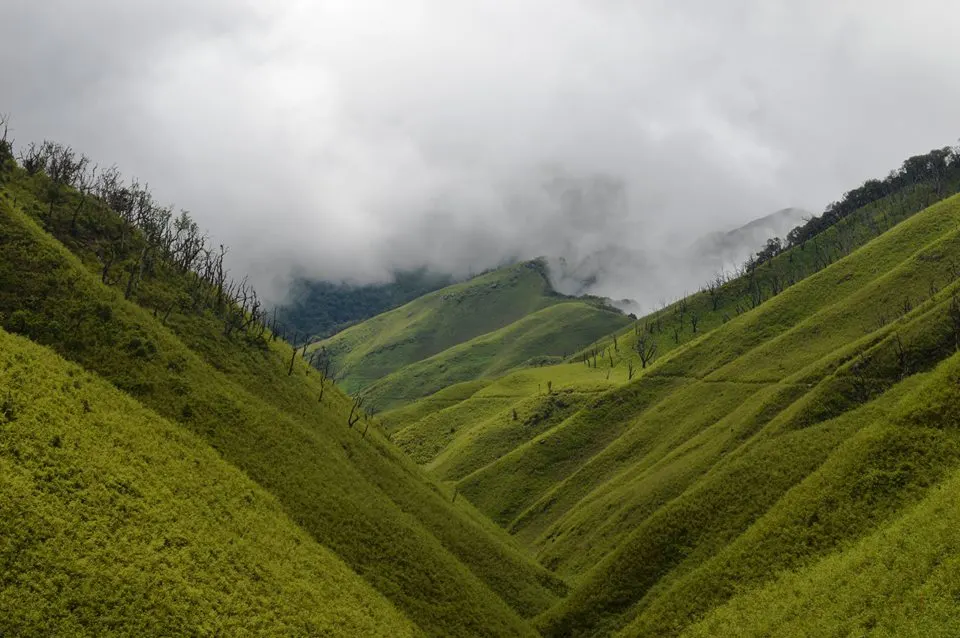
The biggest draw for me to visit Kohima was to trek up the hills on the Nagaland-Manipur border, and explore this beautiful landscape called Dzukou Valley. As I set out that morning clueless about how to get there, assistance from a traffic policeman helped, and one young taxi driver agreed to take me there, trek up all the way, get down and bring me back to Kohima. All for a price, of course. At first I was apprehensive about paying, but then I knew I’m not going back without having a story to tell. Having come so far, I got right into it, and off we went. Theja, my driver-cum-guide, was a young Naga making his living by ferrying people in his old Tata
between Kohima and the villages that lie on the highway to Manipur. We reached the base of the hills(I don’t remember the name!) at about 10:00 and began our trek. I must add here that I was a complete novice in trekking and had never trekked before in my life. What made this event an adventure was the fact that I did not have any equipment with me to assist me in the climb. I was completely unprepared, and had just a bottle of water. Theja on the other hand, was right at home in the hills. We began climbing and it was smooth initially, but as the ascent got steeper, I realised the challenge before me. While I would pause every few metres to catch my breath, this young guy was always ahead of me, waiting patiently for me to cover the gap. About two hours later, after a very exhausting climb, we made it to the top of the hill, overlooking a magnificent green valley. Owing to the lack of preparation and the tired body, I had no incentive to go down to the valley. But I promised myself that I would come back here to do this once again. The stunning landscape with the clouds passing by and the cold breeze seemed to help me relax my tired body. After soaking in the moment, we journeyed back to the base, the descent equally challenging as the ascent because my legs were now sore with the stress of the climb. I knew I couldn’t get around anywhere for the next two days because my legs wouldn’t cooperate. However, the experience of having done this trek and witnessing a magnificent sight was immensely satisfying.
After spending one day resting my legs, I took a walk around the streets of Kohima and also visited the World War II graveyard. The graveyard serves as a memorial for about a thousand-odd soldiers of the British Army who lost their lives in the fight to defend the region against the invading Japanese forces during the second world war. The grave stones bear the names and age of all those who lost their lives, some Indian soldiers included. Looking at how young these men were when they died, I couldn’t help but think about the uselessness of War and the disaster it leaves behind.
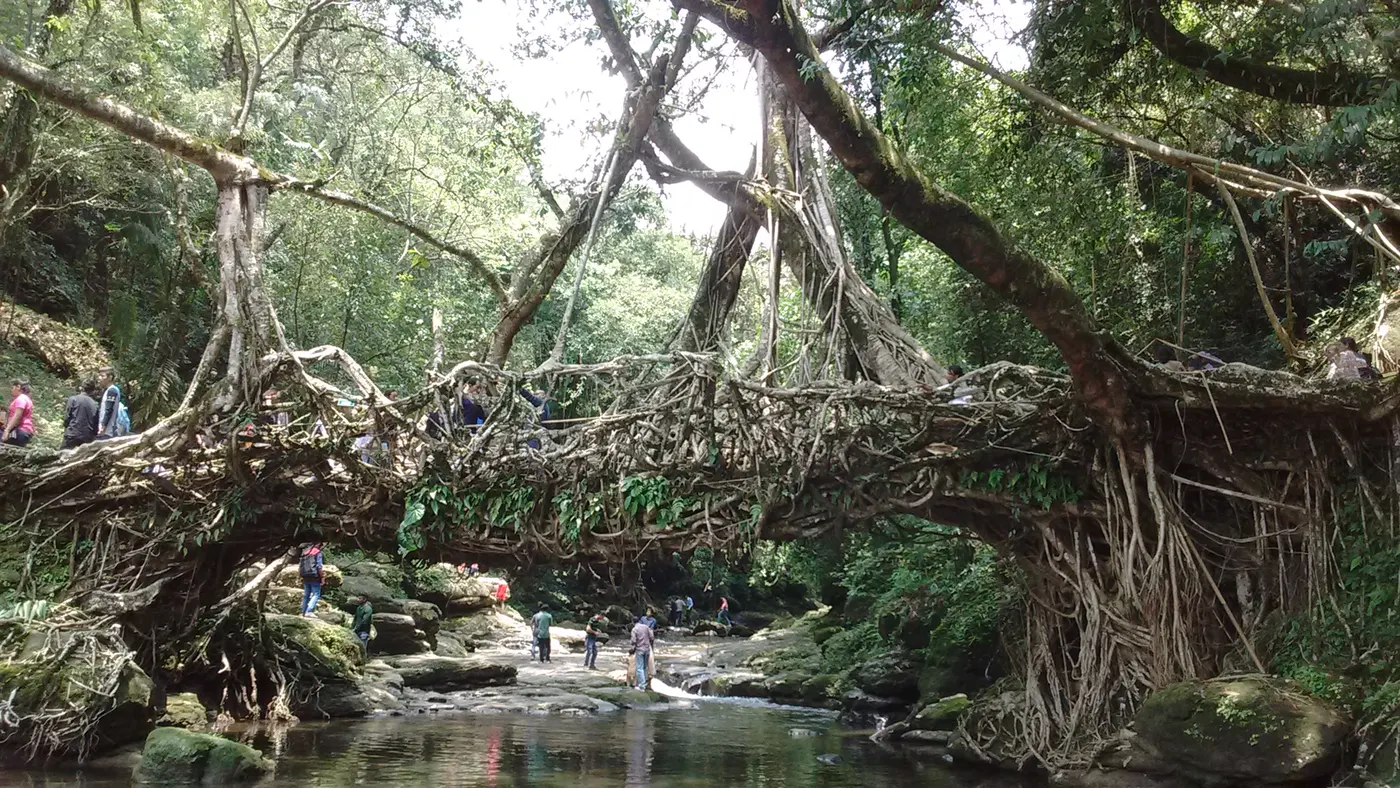
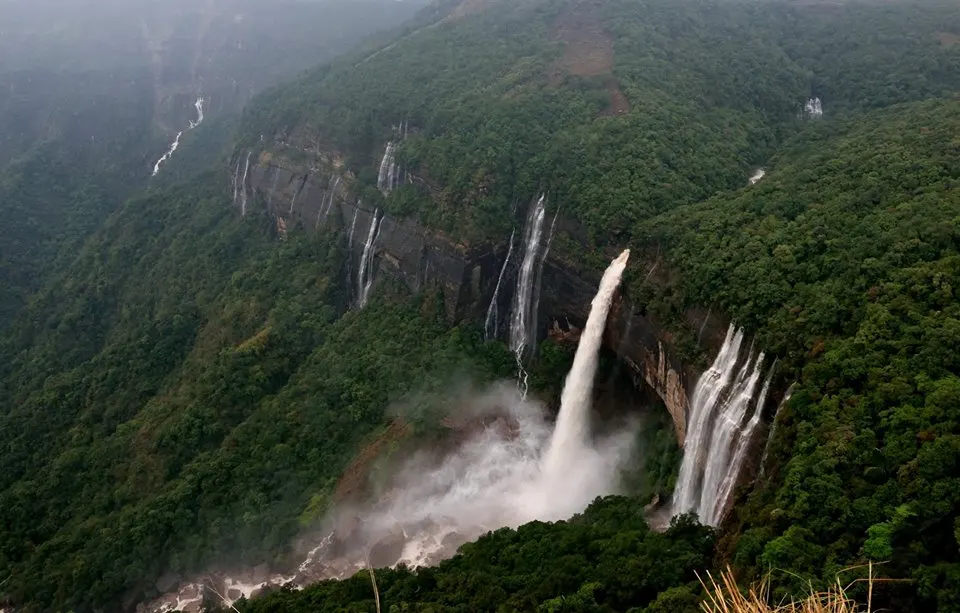
After Kohima, I headed next to Shillong in Meghalaya. This was the most exciting leg of my trip. Meghalaya is no less beautiful than Nagaland, and in the two days that I spent here, not only did I get to travel around the state thanks to their well-organised tourism initiatives, but also made friends with a couple of other travellers who were doing this solo, just like me. Day one of the sightseeing included a visit to Cherrapunjee, one place with the reputation for receiving the highest amount of rainfall in the world. Cherrapunjee is locally known as Sohra, and even without the rain falling at the time of our visit, it was enjoyable to look at the magnificent Nohkalikhai falls from the viewpoint. The next day, I signed up for the other trip which takes tourists to Mawlynnlong, the other attraction in Meghalaya that has earned the tag of the cleanest village in Asia. Although a popular tourist spot with people coming to observe the cleanliness of the place, I found it rather ironical that we would eagerly go visit a place that is known for its cleanliness, while we don’t maintain similar practices in our own societies and cities. The most memorable things for me in this trip were the visit to the living root bridge, and the time spent at the Umngot river which is also the region where we share our border with Bangladesh. The other side is actually within very close reach, and people on both the sides of the border remain mutually cooperative. We even saw some of the jhal-muri sellers from there come this side to sell snacks!
I had one day to spare after travelling through Meghalaya, and before heading next to Kolkata via Guwahati. I decided to head to Tezpur in Assam with the expectation of visiting Kaziranga National Park. However, I was told that the park is closed at this time of the year, so that meant I would have to come back again another time!
In total, my Northeast trip was an extremely enjoyable one. I saw how people can live happy and content with the simplest of lifestyles, being constantly in touch with nature. Although tourism drives the economy in a significant way, it’s not the only reason why tourists are treated well. The diversity of communities, cuisines and cultures in the Northeast is the very essence of the place, and perhaps this idea is what would be the finest interpretation for all of us as being a united country.
Want to see it yourself?
Tell us where you want to go and our trip planner will work out the details with you.
More stories
, 2 min read
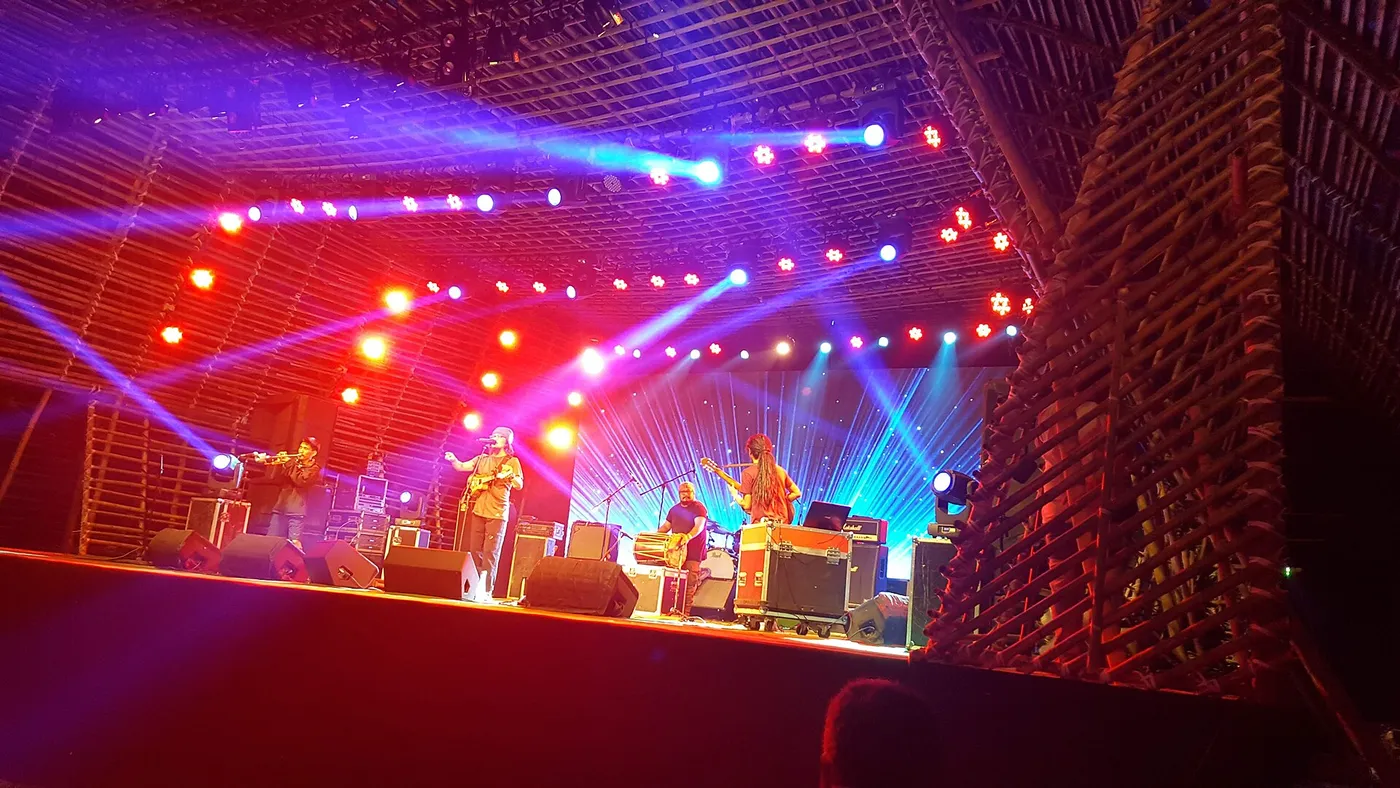
Four days of music in the rice fields of Ziro
The Ziro Festival of Music came back for its 13th year, with more than 40 acts playing on bamboo stages among the Apatani paddy fields.
, 2 min read
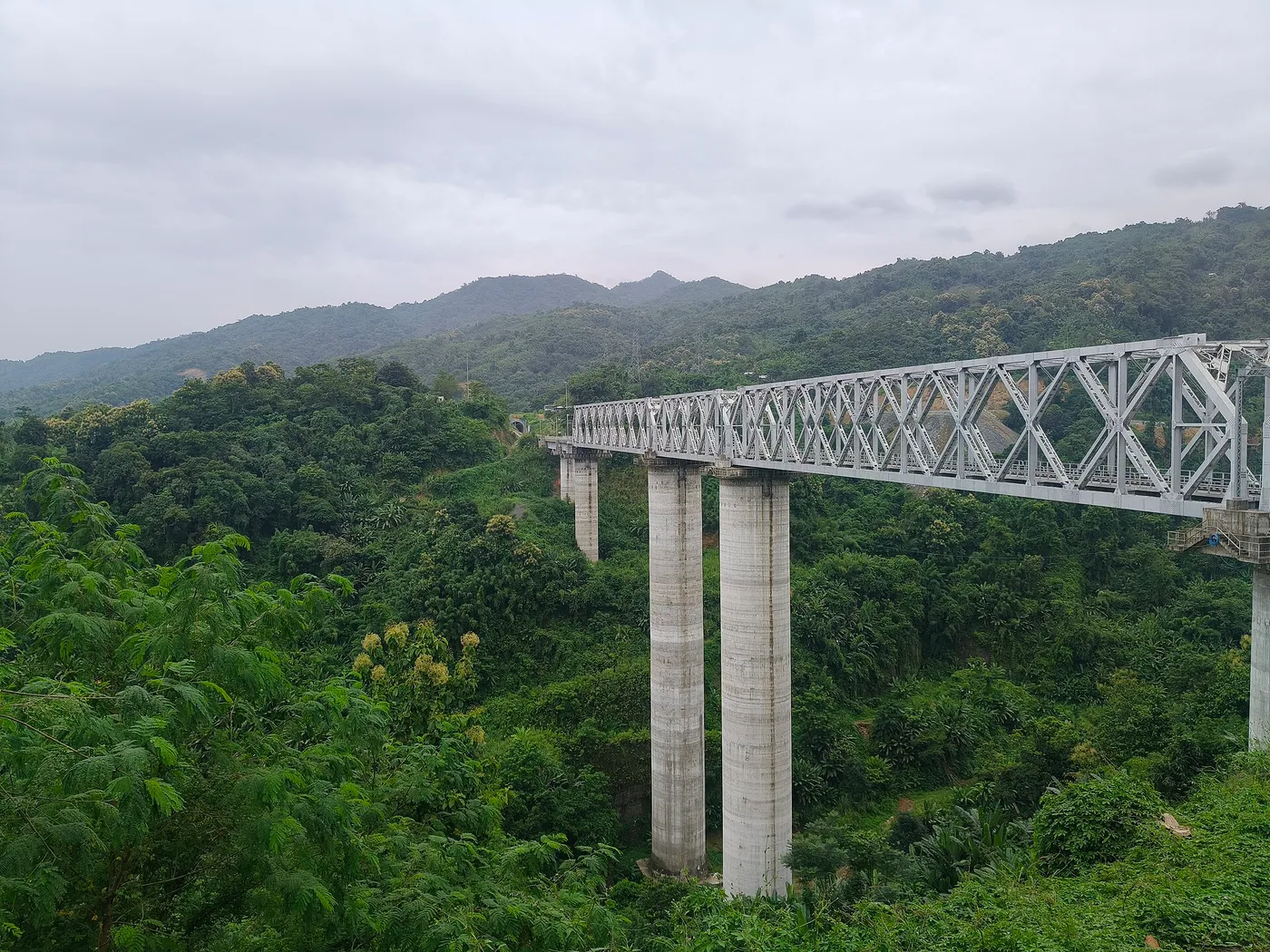
The day the train finally reached Aizawl
After ten years of tunnelling and bridge-building through the Mizo hills, a railway line now runs to Sairang, at the doorstep of Aizawl.
, 2 min read
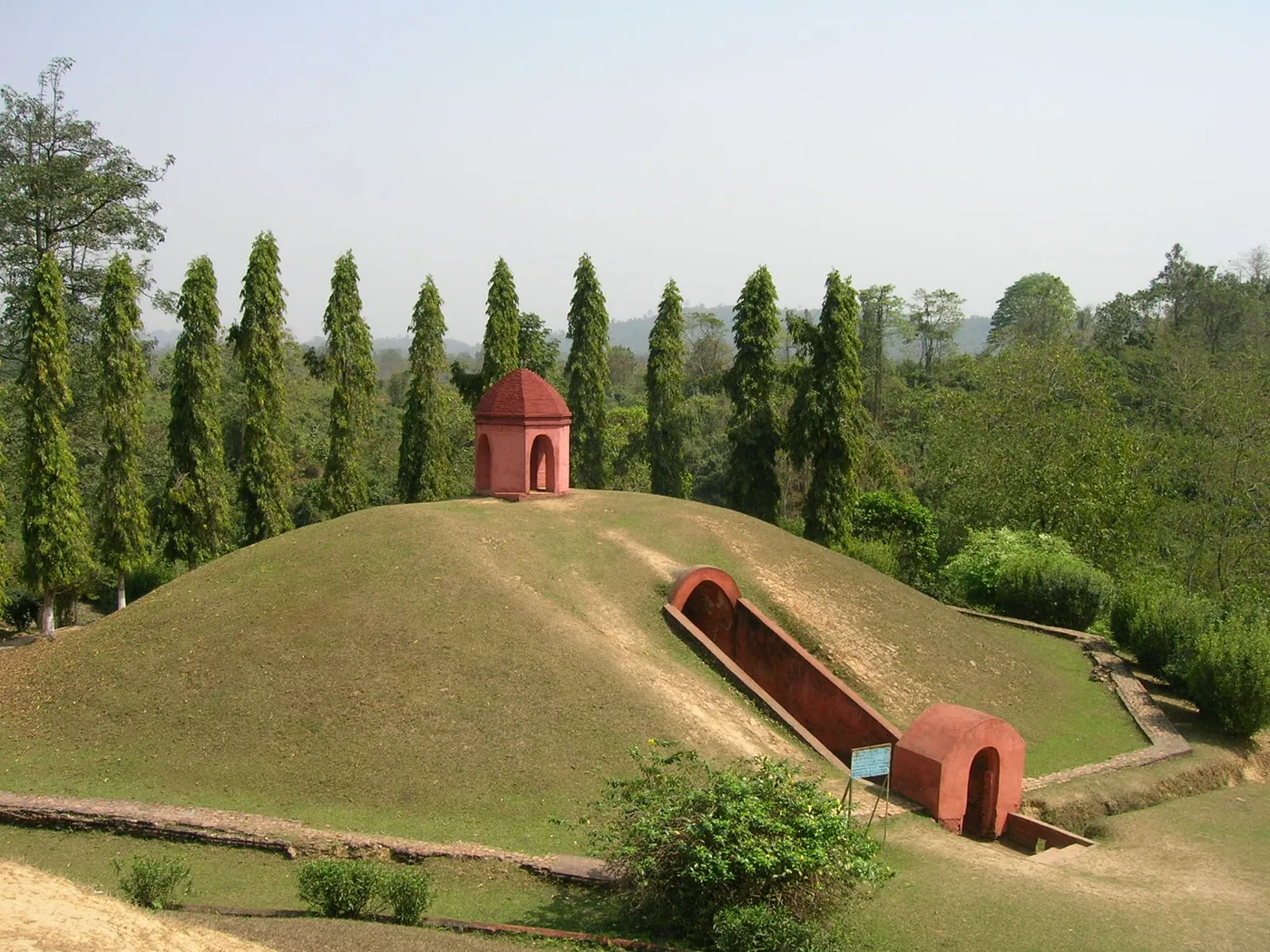
Assam's royal burial mounds join the World Heritage List
The grassy mounds of Charaideo, where the Ahom kings were laid to rest for 600 years, became the Northeast's first cultural World Heritage Site.