Assam's royal burial mounds join the World Heritage List
By Fancyland, , 2 min read
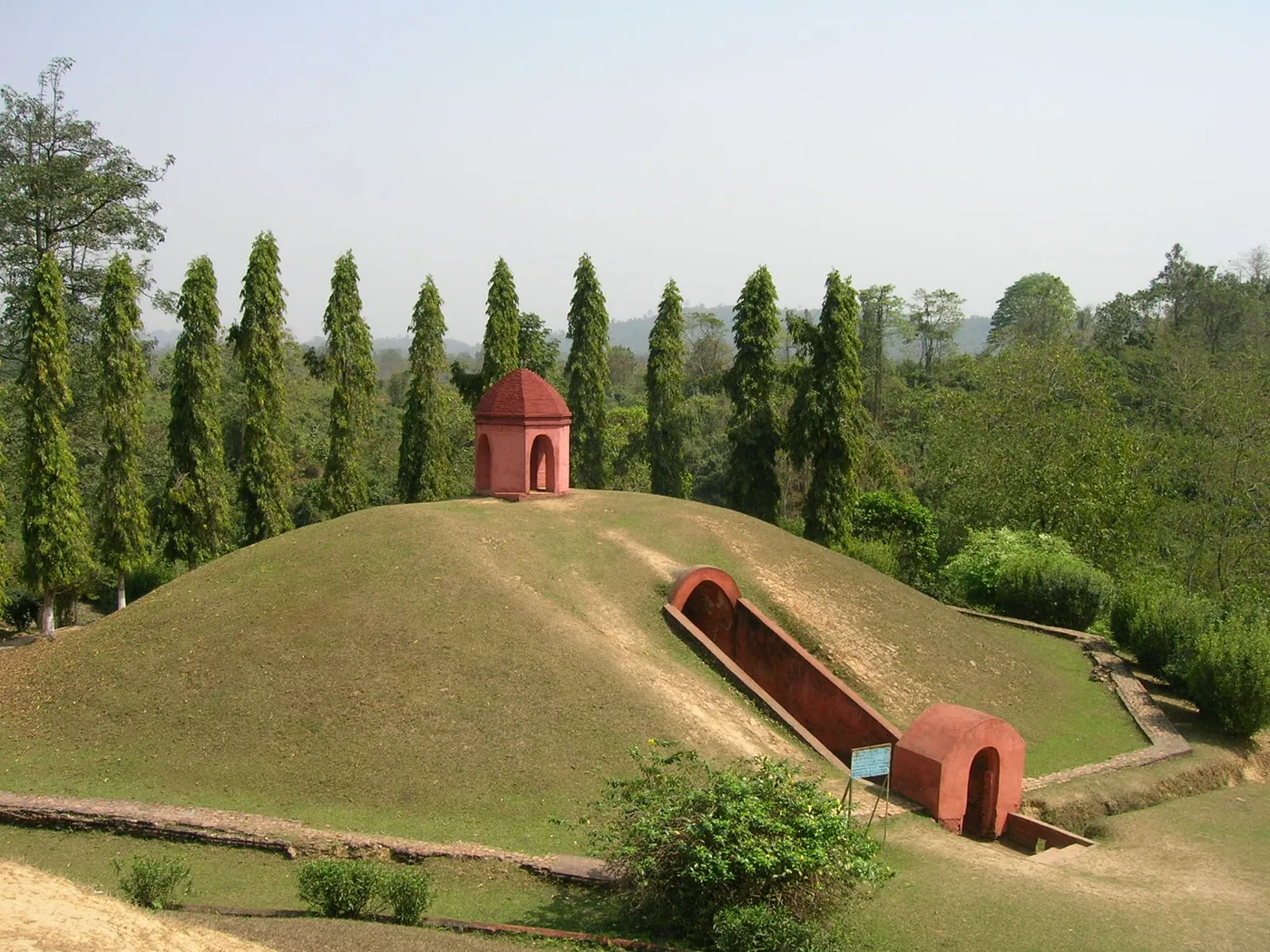
At first glance Charaideo looks like a quiet park: low green hills, tall trees, a brick arch here and there. Then you learn that every hill was made by hand, and that a king is buried inside each one.
On 26 July 2024, UNESCO added the Moidams, the mound-burial system of the Ahom dynasty, to the World Heritage List. It is India's 43rd World Heritage property and Assam's third, after Kaziranga and Manas. It is also the first site anywhere in the Northeast to be listed for its culture.
Who built them
The Tai-Ahom came into the Brahmaputra valley in the 13th century and went on to rule Assam for about 600 years. Charaideo, in the foothills of the Patkai range, was their first capital, and it stayed their sacred ground long after the court moved elsewhere. Kings, queens and nobles were brought back here to be buried.
What a moidam is
A moidam starts with a vaulted chamber of brick, stone or earth, where the body was placed along with the things a ruler might need afterwards. Earth was heaped over the vault to make a rounded mound, a low wall was built around its base, and a small open shrine was set on the very top. The listed site holds 90 moidams of different sizes, along with the old ceremonial paths and ponds between them.
People like to call them the pyramids of Assam. They are far gentler than that: covered in grass, shaded by trees, and still honoured by Tai-Ahom families today.
Going there
Charaideo is about 30 km from Sivasagar in upper Assam, and it fits well into the same day as Sivasagar's Ahom-era temples, tanks and palaces. Go in the cool months, from October to March, and go early, when the mist is still sitting between the mounds.
Trips that go here
More stories
, 2 min read
Four days of music in the rice fields of Ziro
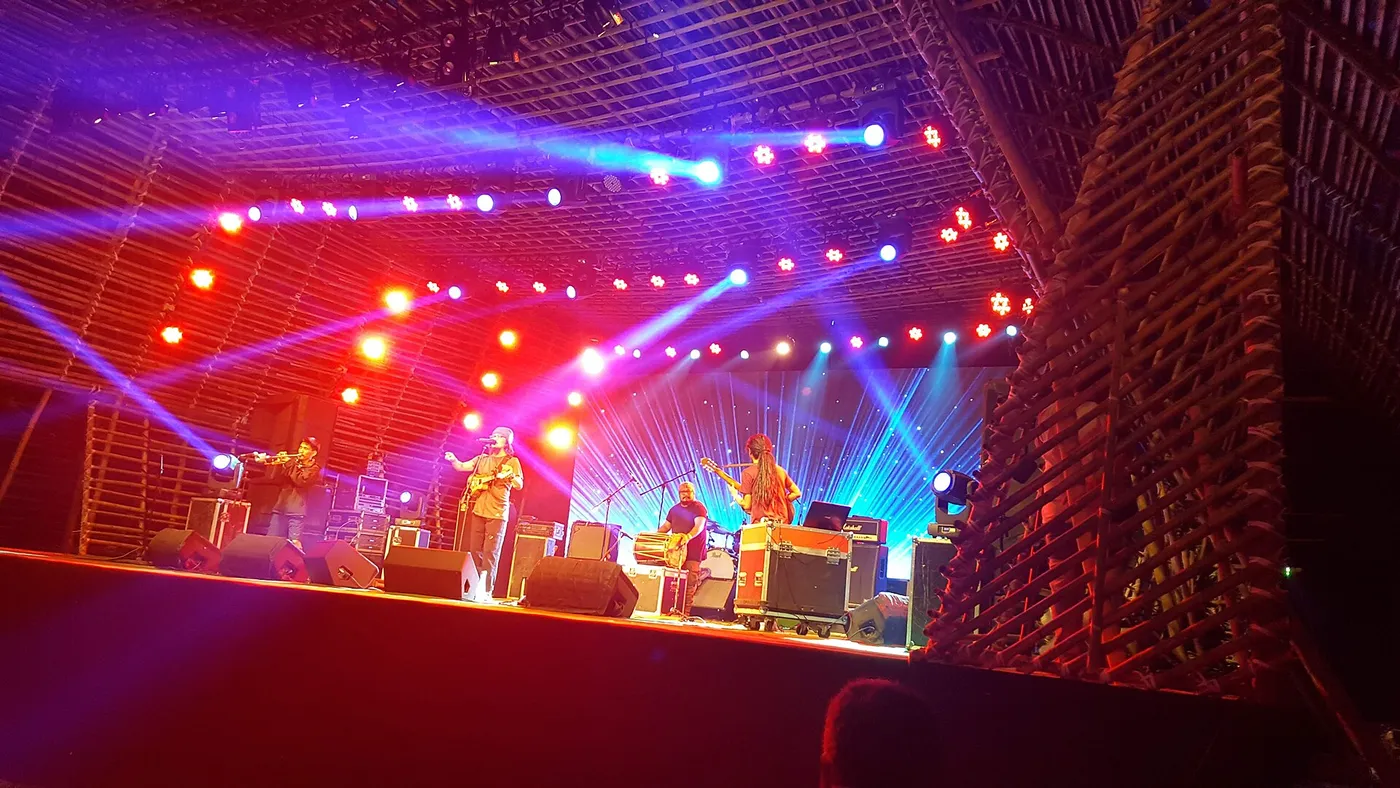
The Ziro Festival of Music came back for its 13th year, with more than 40 acts playing on bamboo stages among the Apatani paddy fields.
, 2 min read
The day the train finally reached Aizawl
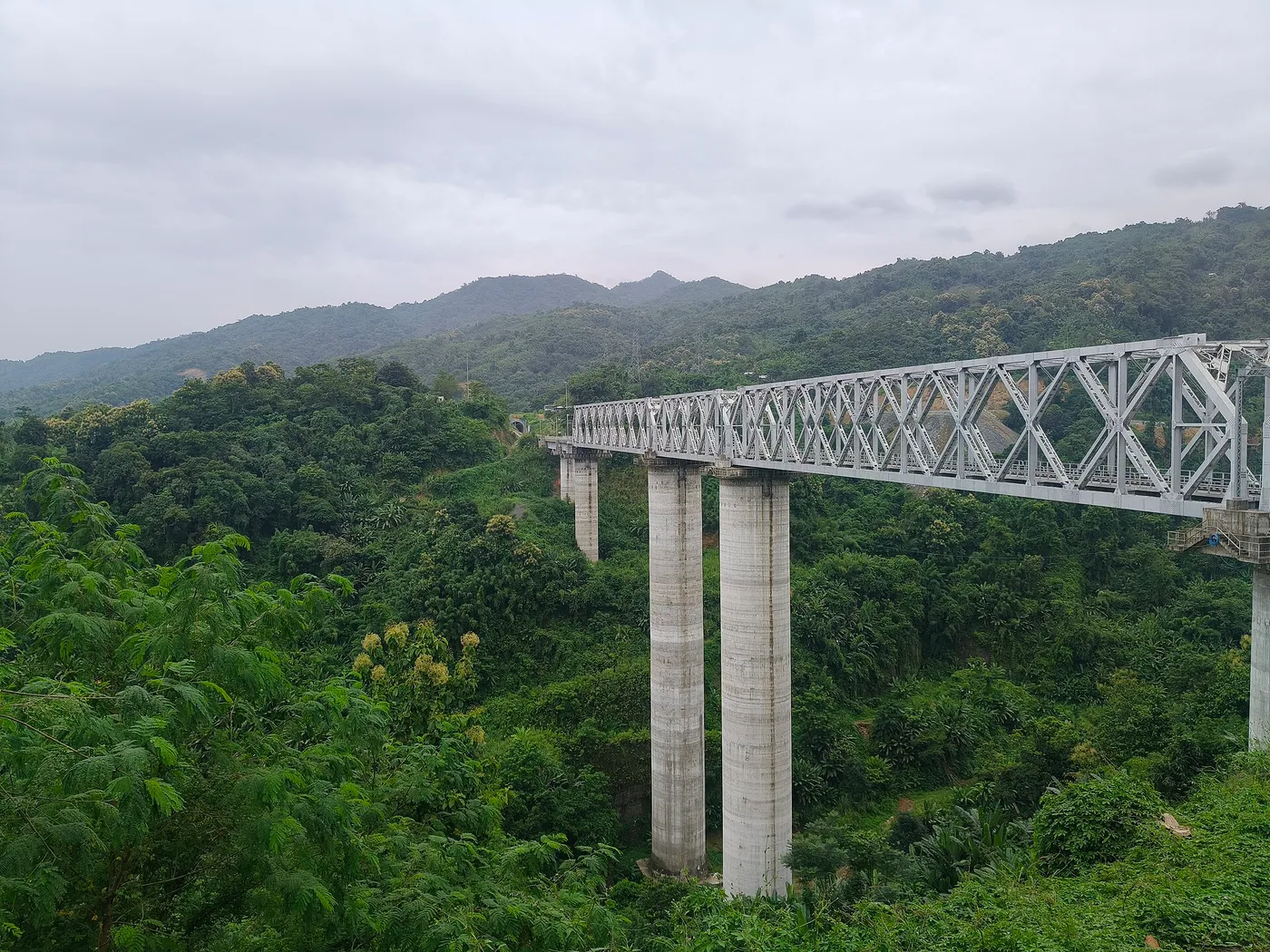
After ten years of tunnelling and bridge-building through the Mizo hills, a railway line now runs to Sairang, at the doorstep of Aizawl.
, 1 min read
From Varanasi to Dibrugarh by river
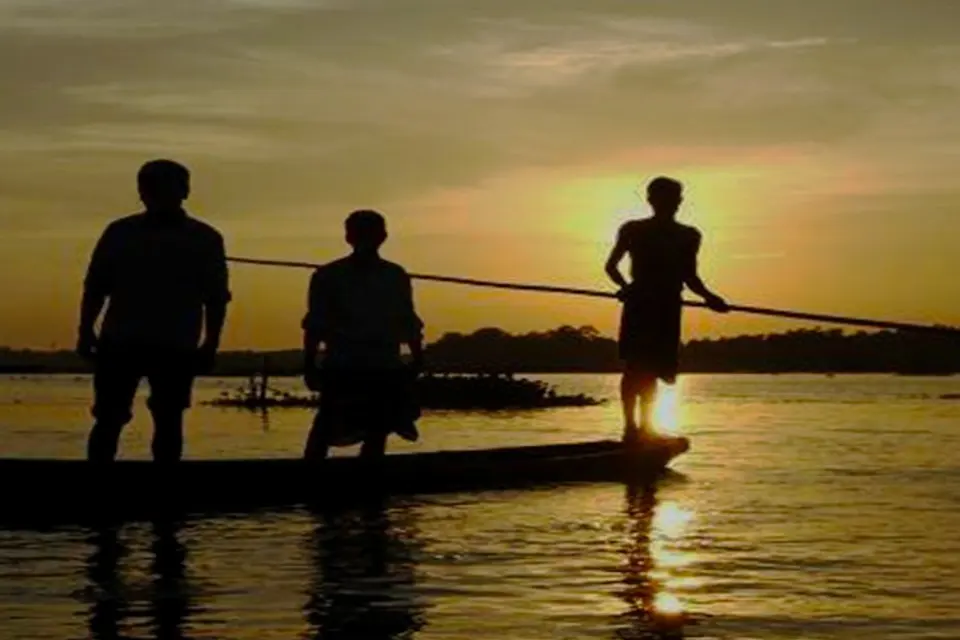
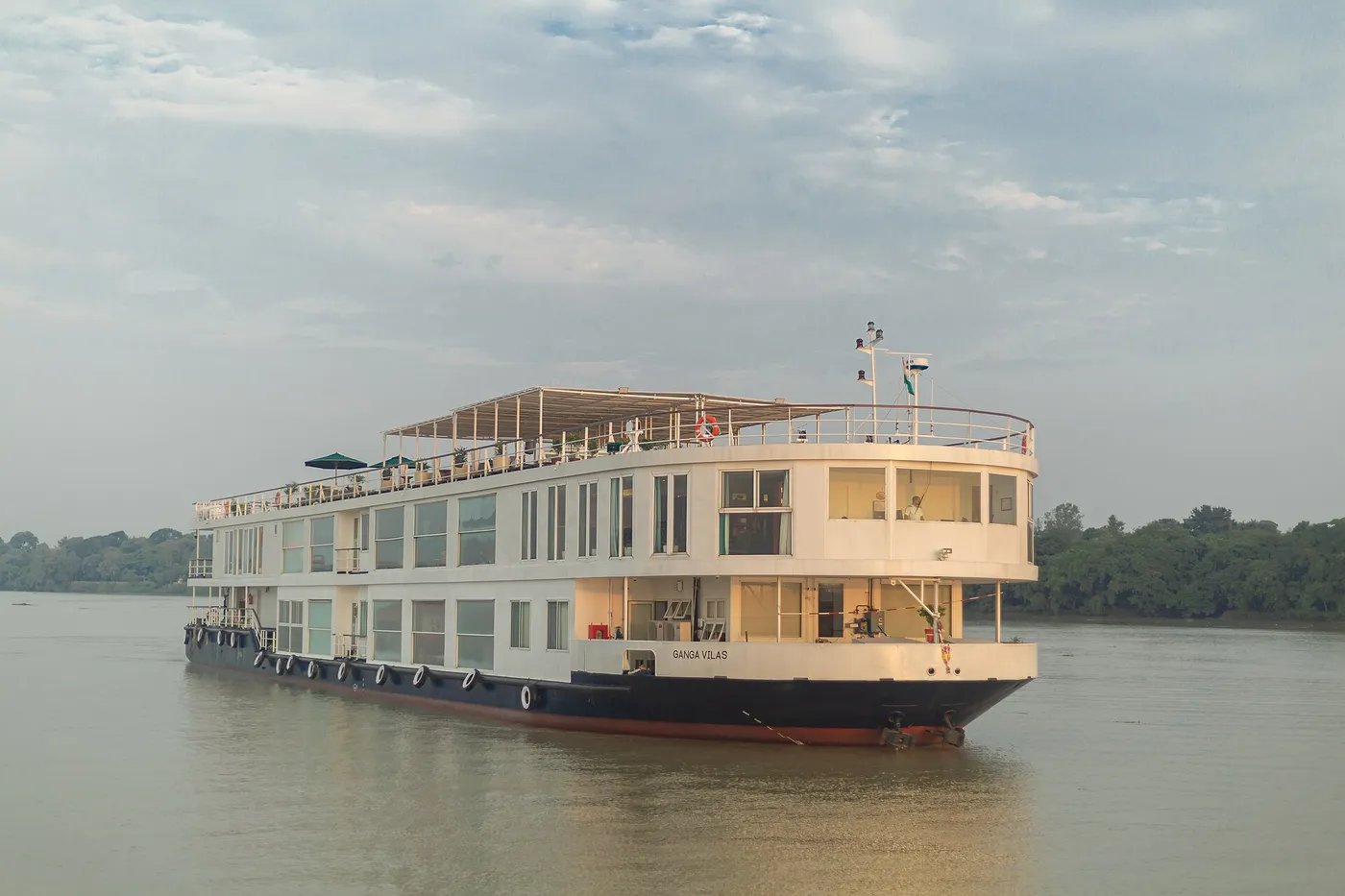
The world's longest river cruise ended its first voyage in upper Assam, 3,200 km and about seven weeks after leaving Varanasi.