The shops with no shopkeepers
By Fancyland, , 1 min read
Drive out of Aizawl on the highway towards Seling and you start to notice small bamboo stalls by the roadside. There are vegetables on the shelves, a few bottles of juice, sometimes dried fish. There is a price list written on a piece of cardboard. There is nobody there.
These are nghah lou dawr, which means shops without shopkeepers. Farmers set out their produce in the morning and go to work in their fields. Anyone passing takes what they want and drops the money in a box called the pawisa bawm. If you need change, you take it from the same box.
Why it works
Mizo people have a word, tlawmngaihna, for the way a person is meant to live: be kind, be helpful, put others before yourself. The shops run on it. The farmers trust strangers, and the strangers, it turns out, pay.
2020
The stalls have been there for years, but in 2020 they suddenly looked like the future. With the pandemic keeping people apart, a shop where buyer and seller never meet was the safest shop there was. On 18 June that year Mizoram's Chief Minister, Zoramthanga, posted about them, and wrote:
The year is 2020; Honesty, Hospitality, Trust comes handy again for Mizoram during these trying times of COVID-19 outbreak.
In a hard year, that message travelled a long way, and a lot of people who had never thought about Mizoram found themselves wanting to go.
If you pass one
Stop. Buy the oranges or the squash or whatever is in season. Put the right money in the box. It is the cheapest and best souvenir in the Northeast: proof, in your own hands, that a place like this exists.
Want to see it yourself?
Tell us where you want to go and our trip planner will work out the details with you.
More stories
, 2 min read
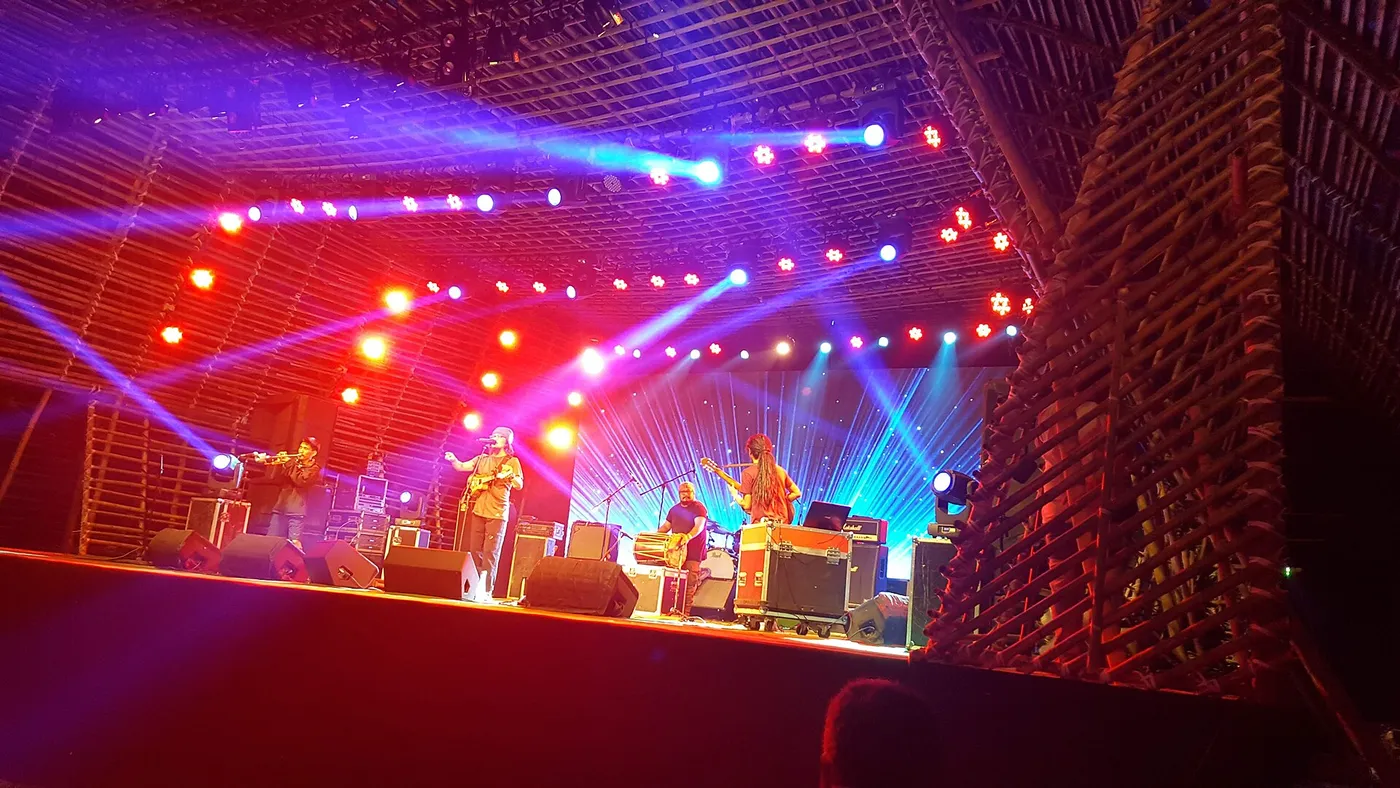
Four days of music in the rice fields of Ziro
The Ziro Festival of Music came back for its 13th year, with more than 40 acts playing on bamboo stages among the Apatani paddy fields.
, 2 min read
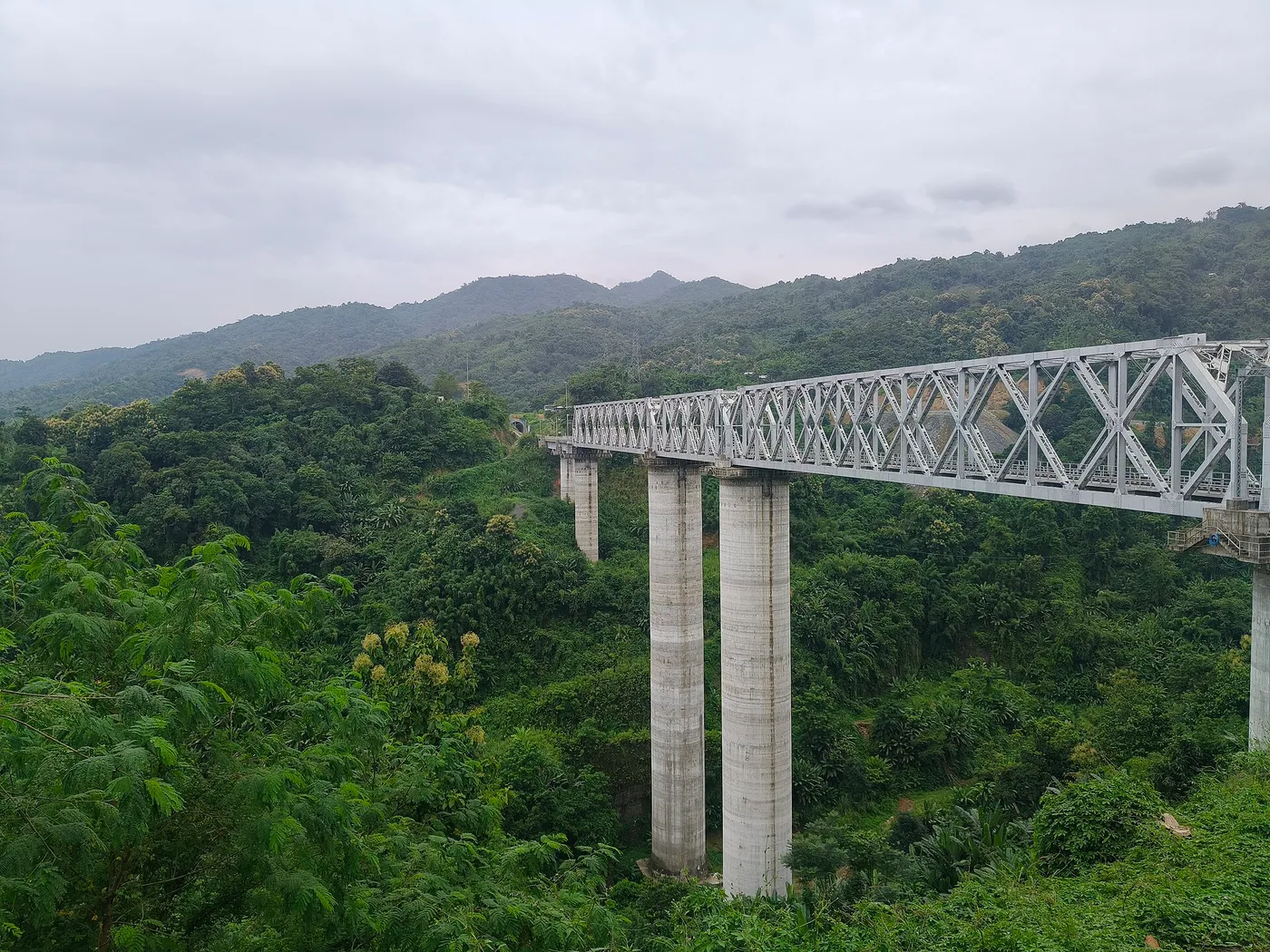
The day the train finally reached Aizawl
After ten years of tunnelling and bridge-building through the Mizo hills, a railway line now runs to Sairang, at the doorstep of Aizawl.
, 2 min read
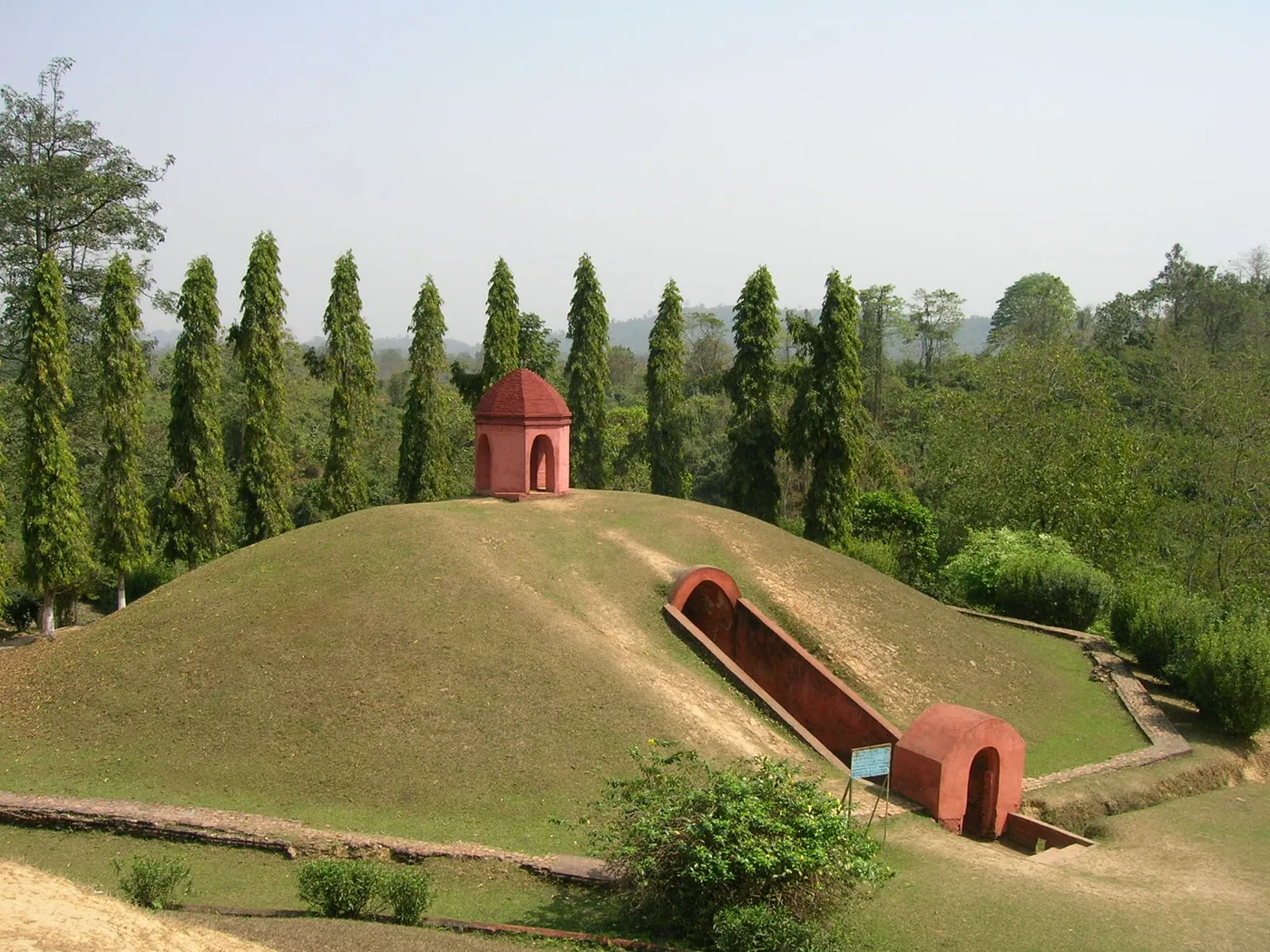
Assam's royal burial mounds join the World Heritage List
The grassy mounds of Charaideo, where the Ahom kings were laid to rest for 600 years, became the Northeast's first cultural World Heritage Site.