Meghalaya's living bridges take a step towards World Heritage
By Fancyland, , 1 min read
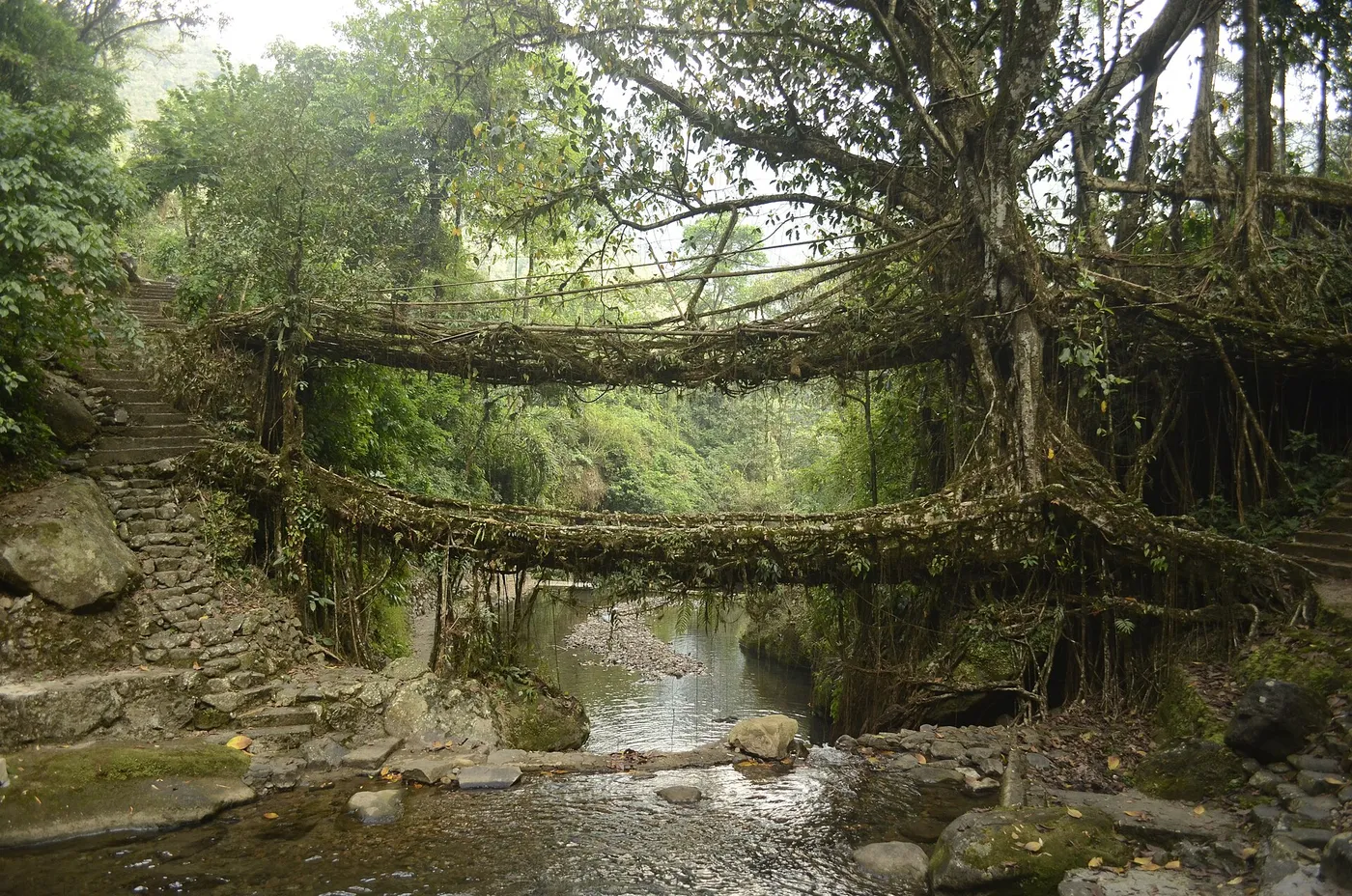
In most of the world a bridge is built. In the southern hills of Meghalaya it is planted, and then everyone waits.
In March 2022 these bridges, under the name "Jingkieng Jri: Living Root Bridge Cultural Landscapes of Meghalaya", were added to UNESCO's tentative list. That is the first formal step towards becoming a World Heritage Site.
How to grow a bridge
The Khasi and Jaintia people who live here get some of the heaviest rain on earth. A wooden bridge rots in a few seasons and the streams become torrents in the monsoon. So, generations ago, villagers began using the rubber fig, Ficus elastica, which grows along the riverbanks and sends out strong roots above the ground.
The young roots are guided across the water, often through hollowed-out betel nut trunks, until they take hold in the soil on the other side. It takes roughly 10 to 15 years before a bridge can carry people. After that it keeps growing, and gets stronger with age instead of weaker.
There are about 100 known living root bridges spread over 72 villages in the East Khasi Hills and West Jaintia Hills. No single person finishes one. Whoever starts a bridge is doing it for their children's children.
Seeing them
The most famous is the double-decker bridge at Nongriat, reached by a walk of more than 3,000 steps down from Tyrna, near Sohra. It is worth every step, but it is also the busiest. The single bridge at Riwai, near Mawlynnong, is an easy 15-minute walk, and there are quieter ones around Pynursla for anyone happy to go with a local guide.
Wherever you go, walk gently. These bridges are alive, and they are still how people get home.
Trips that go here

More stories

, 2 min read
Four days of music in the rice fields of Ziro
The Ziro Festival of Music came back for its 13th year, with more than 40 acts playing on bamboo stages among the Apatani paddy fields.
, 2 min read
The day the train finally reached Aizawl
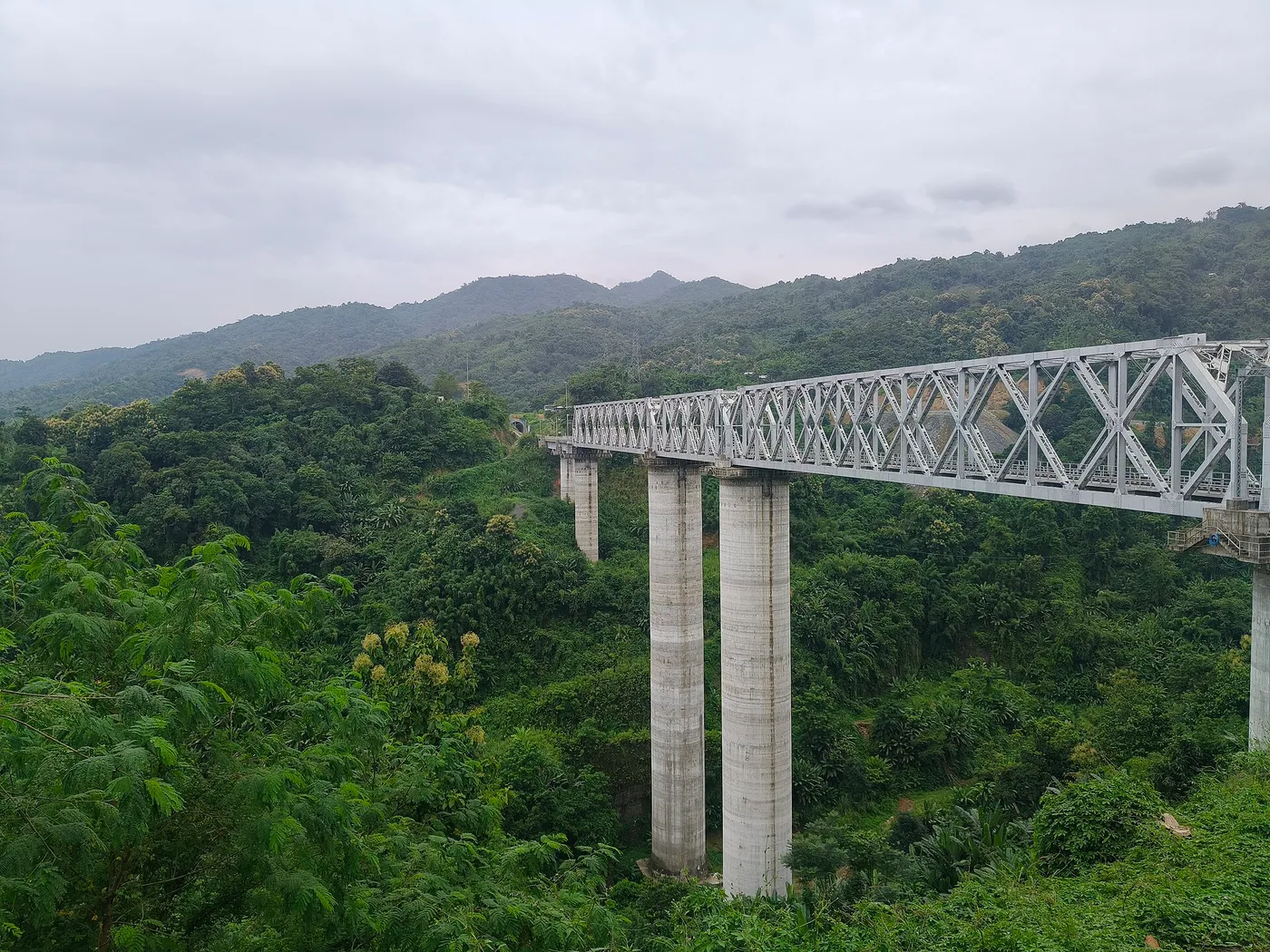
After ten years of tunnelling and bridge-building through the Mizo hills, a railway line now runs to Sairang, at the doorstep of Aizawl.
, 2 min read
Assam's royal burial mounds join the World Heritage List
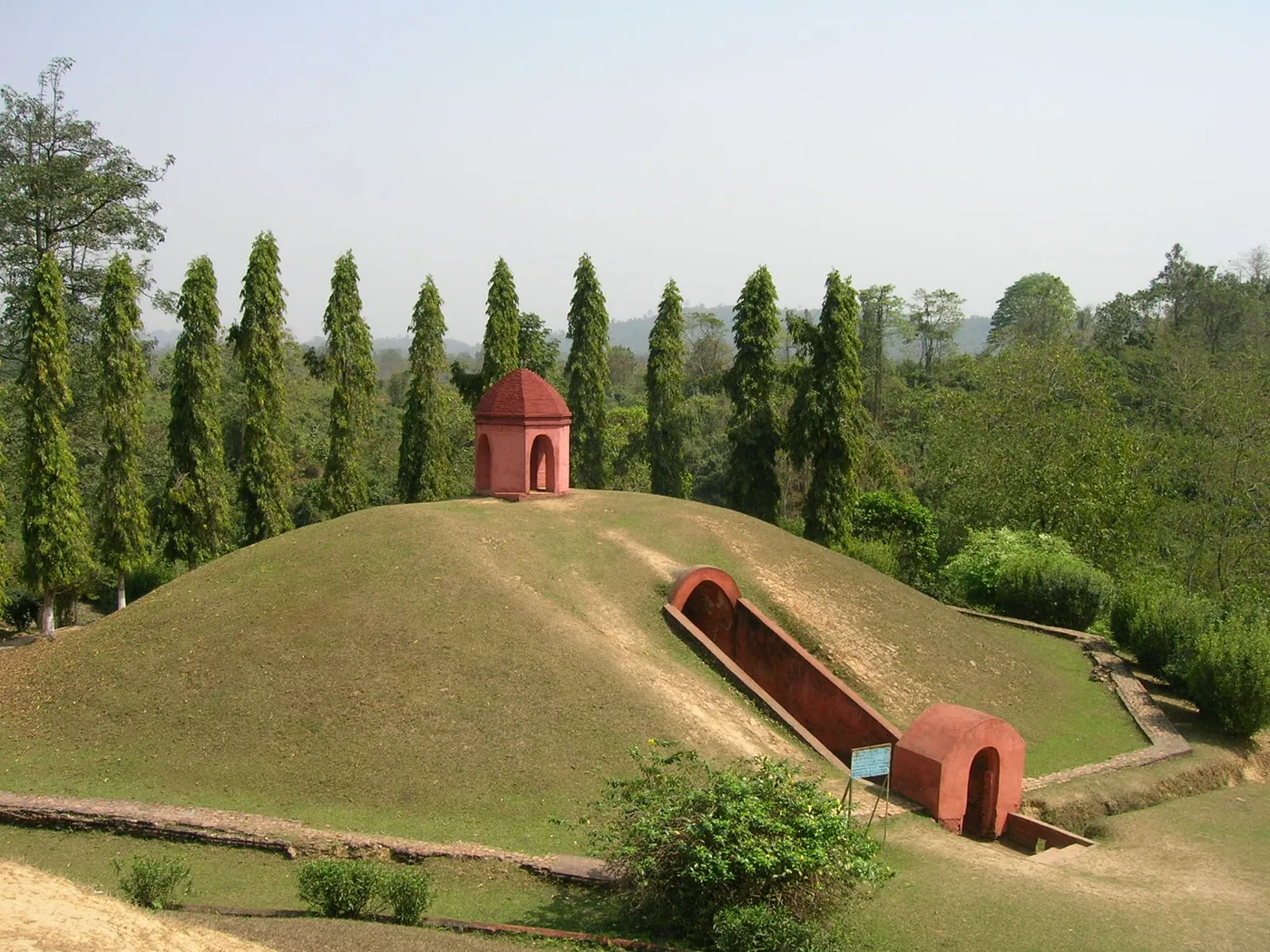
The grassy mounds of Charaideo, where the Ahom kings were laid to rest for 600 years, became the Northeast's first cultural World Heritage Site.