The Hornbill Festival turns twenty
By Fancyland, , 2 min read
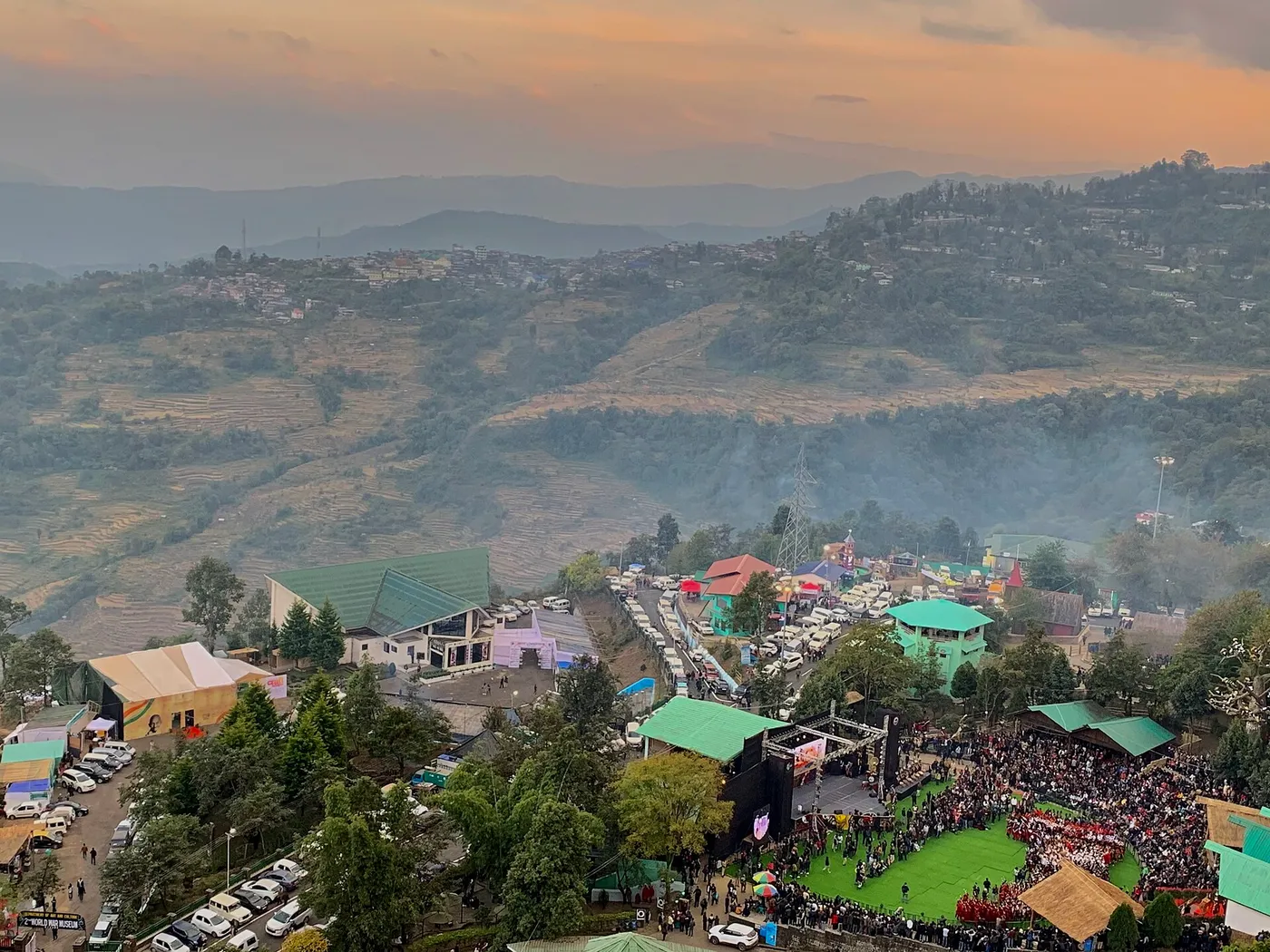
For ten days every December a hillside 12 km south of Kohima becomes the busiest place in Nagaland. In 2019 it was busier than it had ever been.
The Hornbill Festival began in 2000 as a way to bring all of Nagaland's tribes together in one place, and it opens each year on 1 December, the state's birthday. The 2019 edition was the 20th. By the time it closed on 10 December, 2,82,811 people had come through the gates of the Naga Heritage Village at Kisama, about 31,000 more than the year before.
Who came
Around 55,500 of those visitors were travellers from other parts of India and just over 3,000 came from abroad. The rest, more than 2.2 lakh, were from Nagaland itself. That says a lot about the festival. It is put on for guests, but it belongs to the people of the state.
What they saw
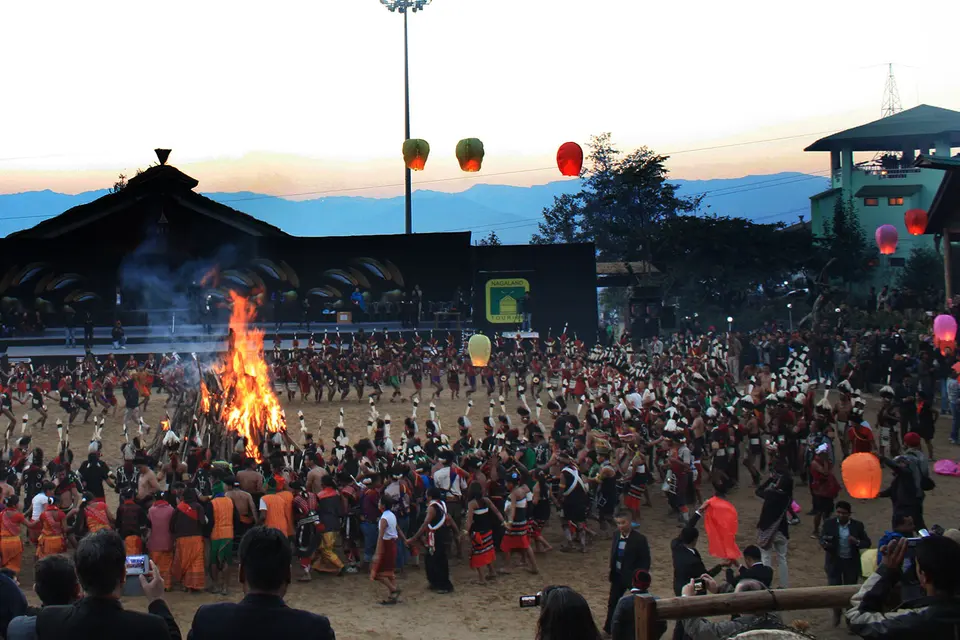
Each tribe has its own morung at Kisama, a traditional house where you can sit by the fire, eat that tribe's food and watch its dances. Troupes from 17 tribes performed in the main arena through the ten days.
Around that there was everything else: indigenous games and Naga wrestling, craft and flower shows, a night carnival in Kohima, a motor rally, choirs, and the famous Naga chilli-eating contest, which has been making brave people cry since 2010. On the final evening A. R. Rahman played, and the festival ended, as it always does, with the tribes dancing together around a bonfire.
Planning your own Hornbill
The festival runs from 1 to 10 December every year. Rooms in Kohima are booked out months ahead, so many visitors stay in homestays in nearby villages such as Kigwema and Khonoma, which is no hardship at all. Bring warm clothes. Kisama is cold once the sun goes down, and you will want to stay for the bonfire.
Trips that go here
More stories
, 2 min read
Four days of music in the rice fields of Ziro
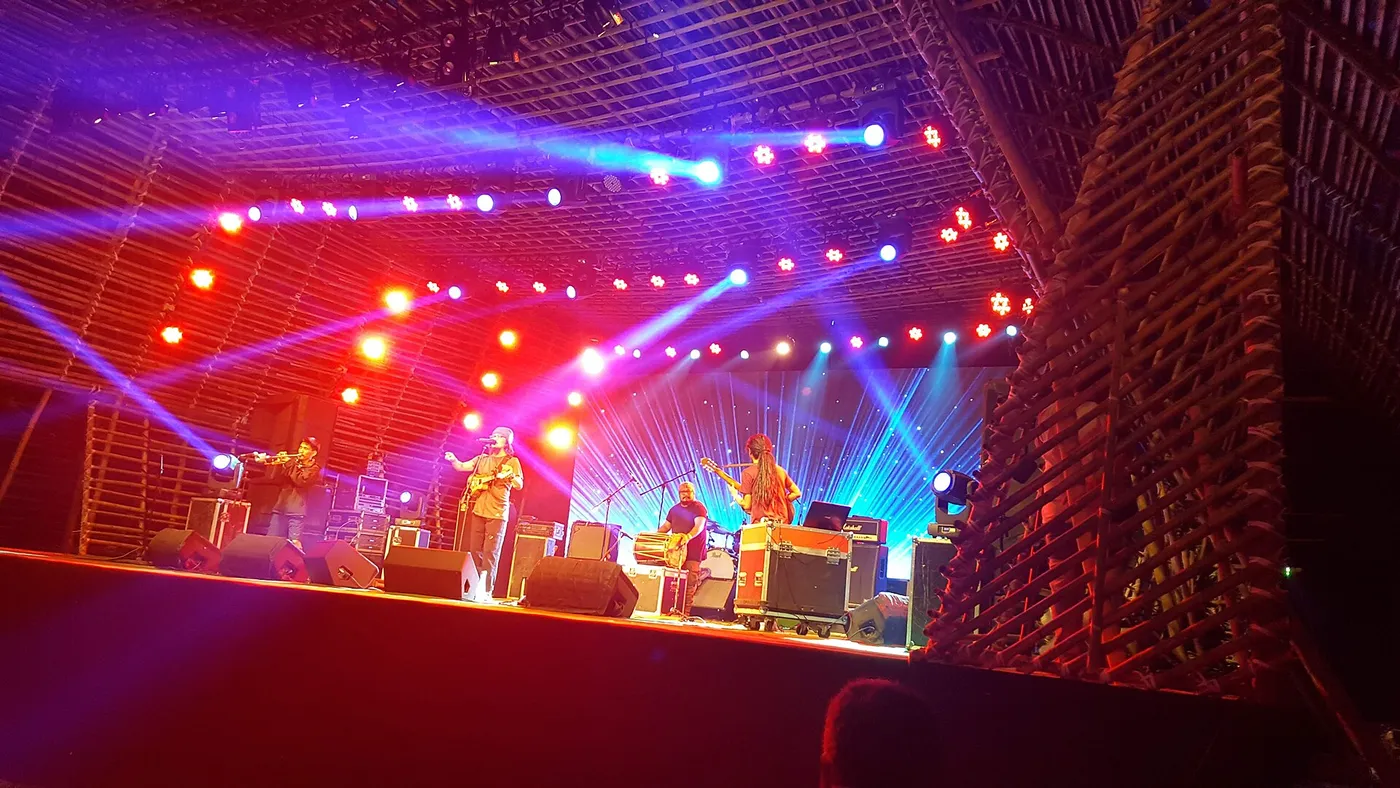
The Ziro Festival of Music came back for its 13th year, with more than 40 acts playing on bamboo stages among the Apatani paddy fields.
, 2 min read
The day the train finally reached Aizawl
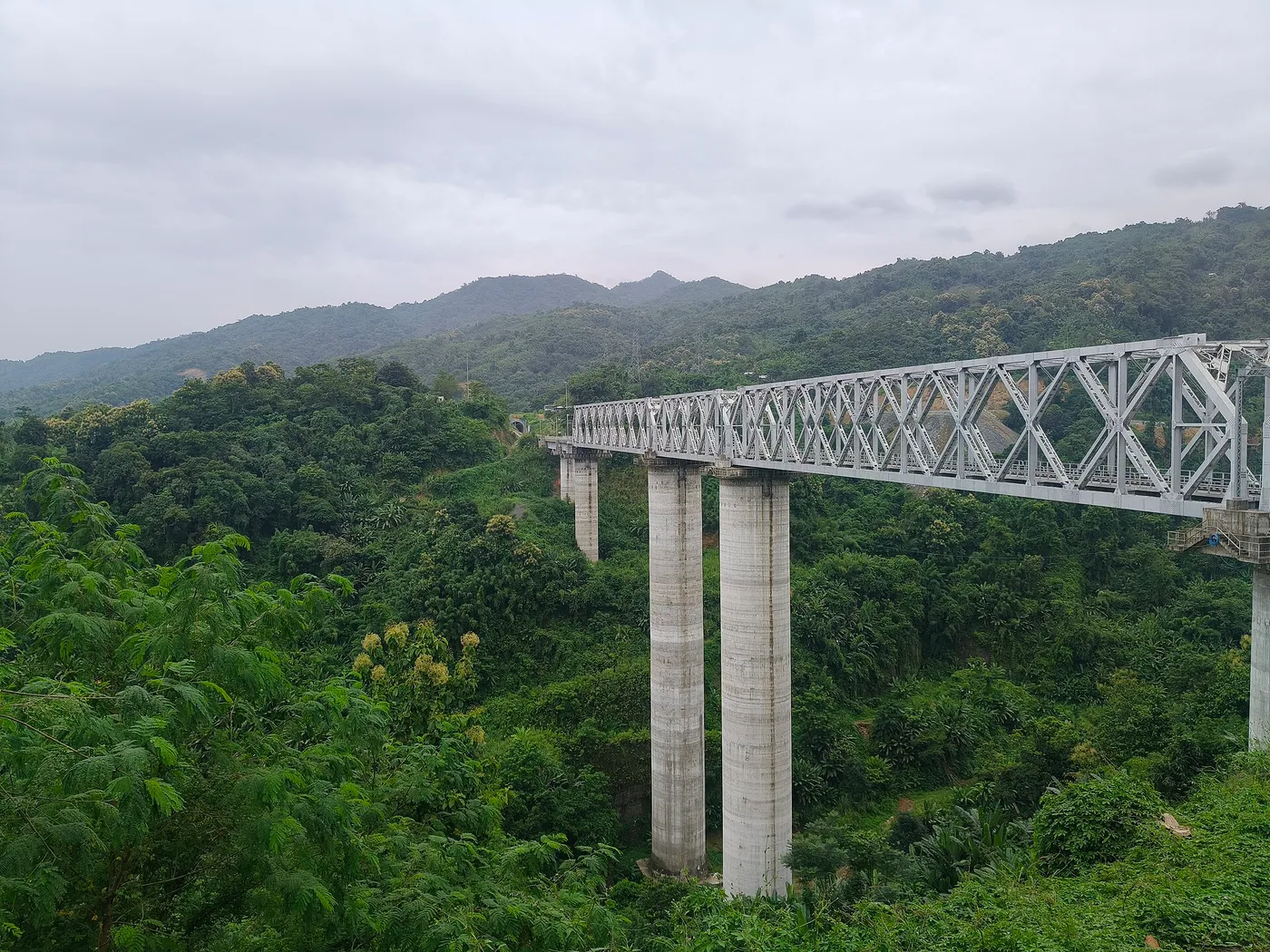
After ten years of tunnelling and bridge-building through the Mizo hills, a railway line now runs to Sairang, at the doorstep of Aizawl.
, 2 min read
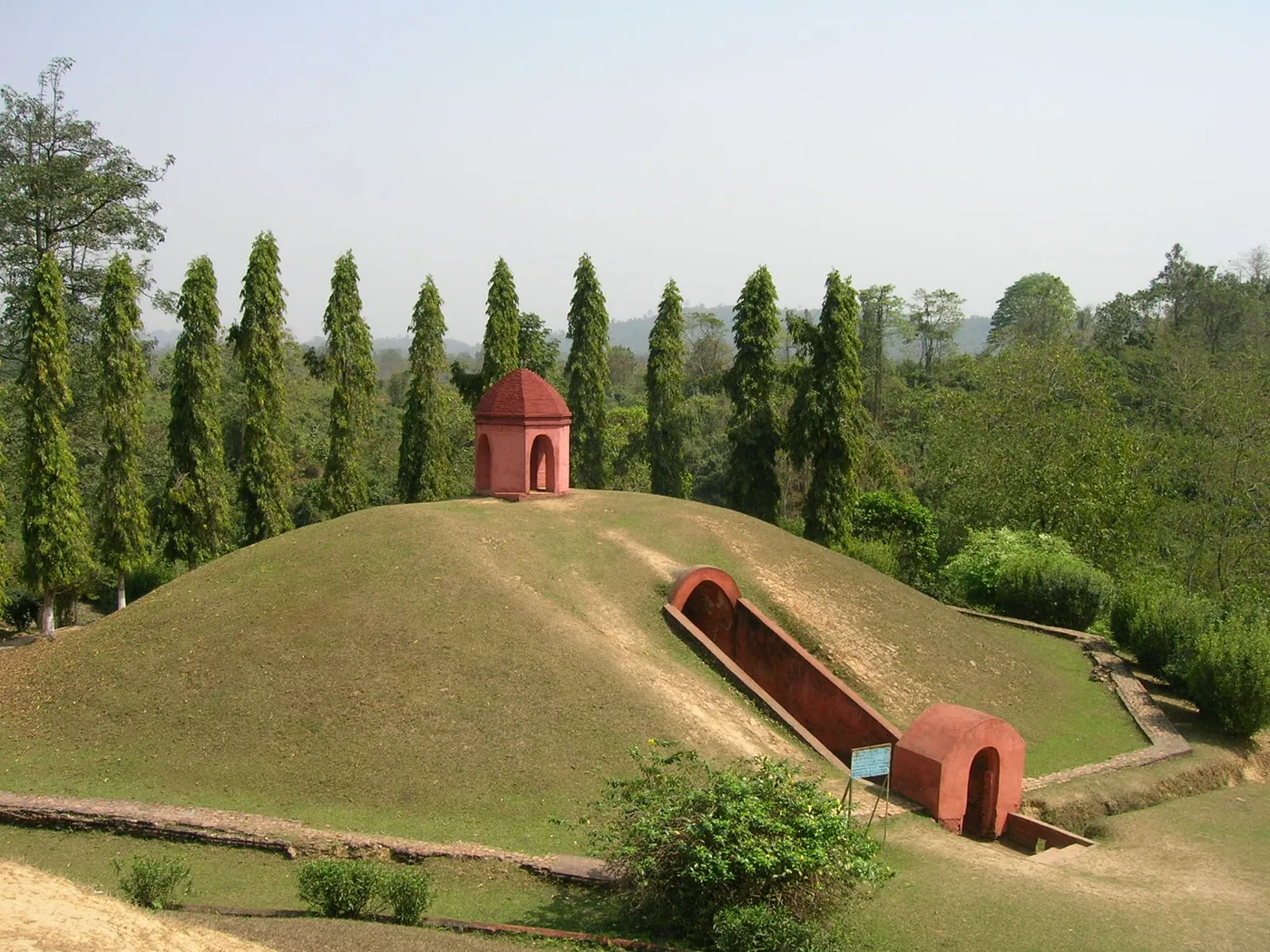
Assam's royal burial mounds join the World Heritage List
The grassy mounds of Charaideo, where the Ahom kings were laid to rest for 600 years, became the Northeast's first cultural World Heritage Site.