A student's guide to budget travelling in the Northeast
By Fancyland, , 5 min read
For a student, money is the chief obstacle that needs to be overcome before planning a trip. While connectivity has largely increased over the years in the Northeast, transport schedules and communication networks are not as easily known as places outside the region. This makes it hard for any kind of pre-planned travel, especially for students on a budget.
image courtesy: Upamanyu Borkakoty
Here are a few tips to follow if you plan on taking a leap and exploring the Northeast.
Getting Started –
1. Research, research and research! : This cannot be stressed enough. Collect the little information you can find on the Internet or through your personal contacts (the latter’s benefits have been elaborated below). Have a clear picture of the kind of trip you plan on making. Are you backpacking impromptu or booking some hotels before hand? What’s your budget? Enough to get by and just enjoy nature or indulge in some adventure sports, etc.? Plan in advance. Know the geography and locate your bank’s ATMs, etc.
2. Have full knowledge of what you are getting yourself into: In the past, insurgency in the Northeast made tourism hard to flourish. Things have changed drastically. But, as your first trip to the region, educate yourself regarding your human rights as an Indian citizen (or otherwise), always carry relevant documents with you and learn how to avoid trouble. Avoid that overnight road trip on national highways to save time or taking a shady cheap accommodation. Remember it is always better to pay a little extra and be safe.
3. Know that most of your travel hacks you use elsewhere in the country or abroad will not work in the Northeast. Neither will you have apps such as CouchSurfing to guide you effectively nor has TripAdvisor covered anything other than what’s already popular. Do check for all possible student discounts.
image courtesy: Upamanyu Borkakoty
Getting There –
1. Acknowledge the importance of travel credits; this is not a scam: Learn to save up on your credits on whichever app you frequently use, MakeMyTrip, etc. While it may not help you in the course of the trip itself, most of the flight and bus tickets (as well as hotel bookings) get covered and that constitutes a large chunk of your travel expenditure. Connectivity to Guwahati is available daily. So keep a lookout for deals and offers that are applicable to you. Travel credits have covered one-fourth of my round trip flight tickets in one of my travel getaways.
2. Build on the necessity of having local contacts: As mentioned earlier, Northeast travel is travel like no other. It is an added bonus to know a local who can help you with local languages and guide you in your travels. You may even get homestays or accommodation this way. It may be your college Assamese classmate you befriended recently or your Naga roommate. To know somebody is to have half your work done, without rummaging online for authentic travel information.
Image courtesy: Upamanyu Borkakoty
Getting Accustomed-
1. Learn to look beyond already popularised, famous travel destinations and things to do. The basic marketing strategy is that what is commercially available is popular and a majority of what is popular is bound to be expensive (or crossing your expenditure limit as a student). Go beyond this. Search for unknown treks in Nagaland or set up your own meeting via a local guide with the Apatani tribe of Ziro, Arunachal Pradesh. Contact those who can help you arrange and maybe even get what you want, in discount. For instance, staying in Wild Grass in Kaziranga National Park is 2400/night(approx) in peak season. This drastically comes down to 1000/night (approx) in off seasons, which is equally worth it if you want to live, eat and experience authentic Assamese life.
2. While it may seem paradoxical to point one, learn to wing it. You may end up missing that one local bus or pay more than you originally calculated in a particular place. Things may not be according to the plan because tourism is developed very differently in the Northeast. Learn to overcome setbacks and have large time gaps in your travel plans to make up for it.
3. Most importantly, develop your own understanding of the place: In the end, budget travelling depends on how you perceive and work around your money and your expenditure on your surrounding environment. Remember if you have a good rapport, you will get your work done your way. Whether it is haggling for that pork pickle you want to take back, the traditional clothes you want to buy for your relatives or the bus conductor you strike a conversation with – much of the fiscal issues are closely tied to your attitude in the Northeast.
image courtesy: Upamanyu Borkakoty
On a side note: Tentative Local transportation fare details.
1. PRIVATE/SHARED TAXIS:
Regular Innovas hired from Guwahati have different daily rates depending on your time period and terrain. A journey from Guwahati to Tawang would take 4500/day (approx) for rent and about Rs 9/km for fuel. Small cars are not advisable on such terrains. As a student, you can take a shared Innova. Journeys on plain roads (for instance, to Upper Assam) can cost you upto 2200/day. It is assumed that you pay for the driver’s stay and food, which should be approx. 300/day.
2. PRIVATE/LOCAL BUSES:
This is the best option for students traveling on budget. From personal experience, it is safe, cheap and easily accessible across main cities/towns—with a high probability of you learning something new on the way. Some one-way fare rates for intercity bus travel are Guwahati–Tinsukia (Rs 600/650), Guwahati–Jorhat(Rs 300/350), Guwahati–North Lakhimpur/Itanagar (Rs 450/500), Guwahati–Dibrugarh (Rs 700).
3. INTERCITY TRAINS:
There is easy connectivity with most cities situated in the plains, the most common being the Rajdhani line till Dibrugarh. However, there is a minimum charge attached for short intercity travels. For instance, if you are travelling to Kokrajhar, you must buy a train ticket till Alipurduar Junction (~Rs 650).
image courtesy: Upamanyu Borkakoty
Anali Baruah
Travel Photographer, solo traveller and cultural Anthropologist in making— three things that defines Anali. Her idea of leisure travels are quite different from those constructed by the travel industry. She enjoys going on impulsive trips across the country, having long winding conversations with travel acquaintances, and taking sneaky, candid pictures of people.
Want to see it yourself?
Tell us where you want to go and our trip planner will work out the details with you.
More stories
, 2 min read
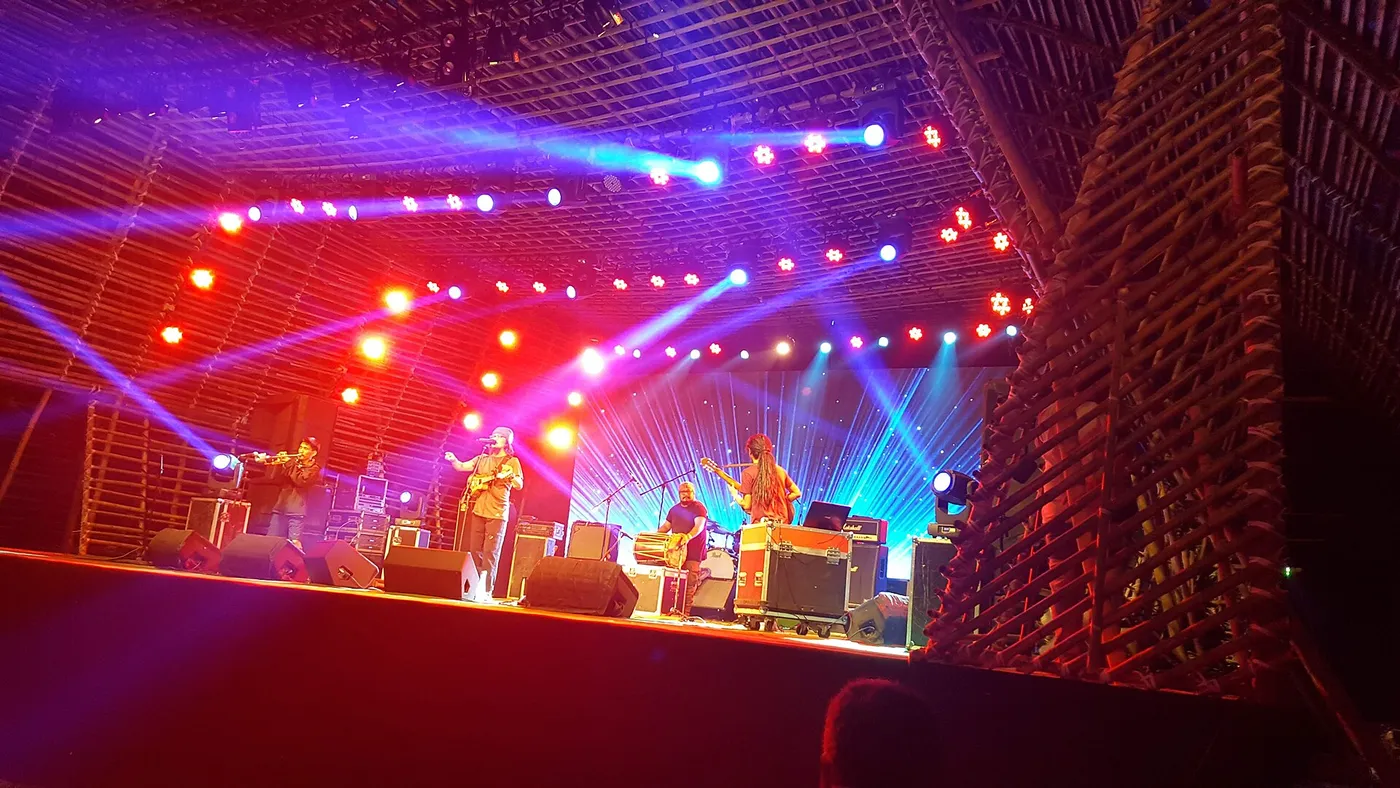
Four days of music in the rice fields of Ziro
The Ziro Festival of Music came back for its 13th year, with more than 40 acts playing on bamboo stages among the Apatani paddy fields.
, 2 min read
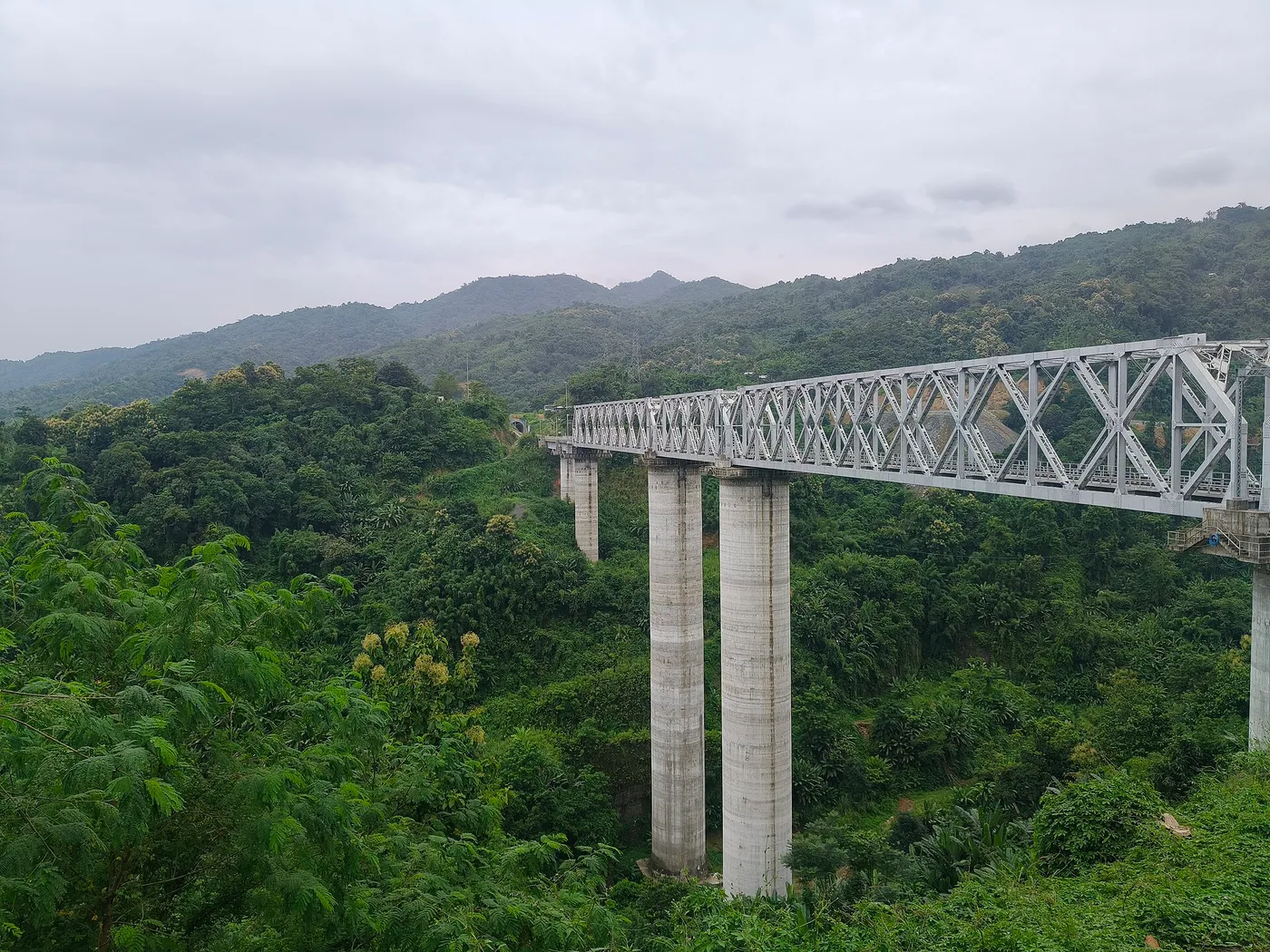
The day the train finally reached Aizawl
After ten years of tunnelling and bridge-building through the Mizo hills, a railway line now runs to Sairang, at the doorstep of Aizawl.
, 2 min read
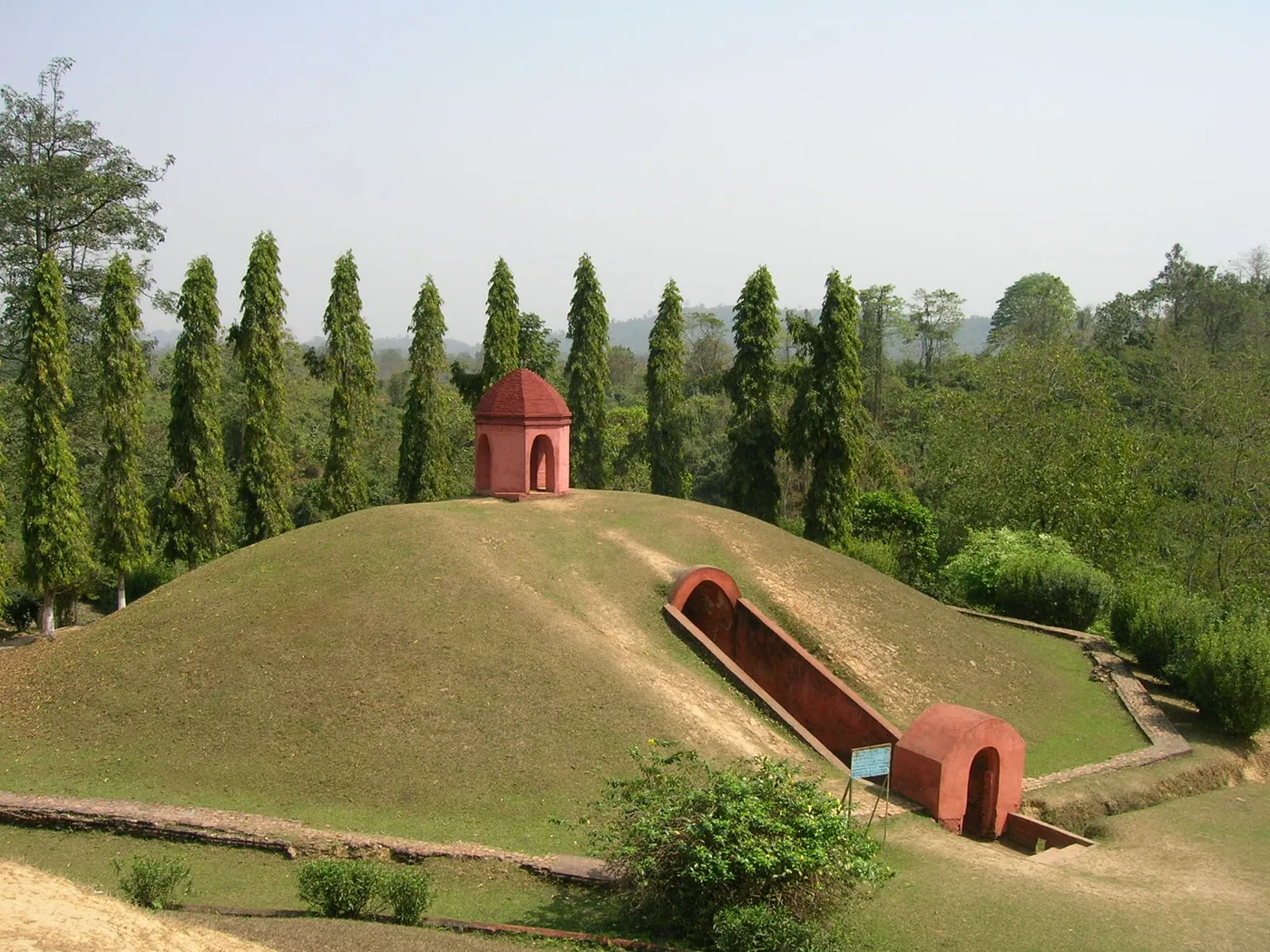
Assam's royal burial mounds join the World Heritage List
The grassy mounds of Charaideo, where the Ahom kings were laid to rest for 600 years, became the Northeast's first cultural World Heritage Site.